A Complete Guide to Preventive Dental Care for Healthy Teeth
Explore a complete guide to preventive dental care with GB Dentistry in Memorial. Learn expert tips for healthy teeth, sealants, and teeth grinding prevention.
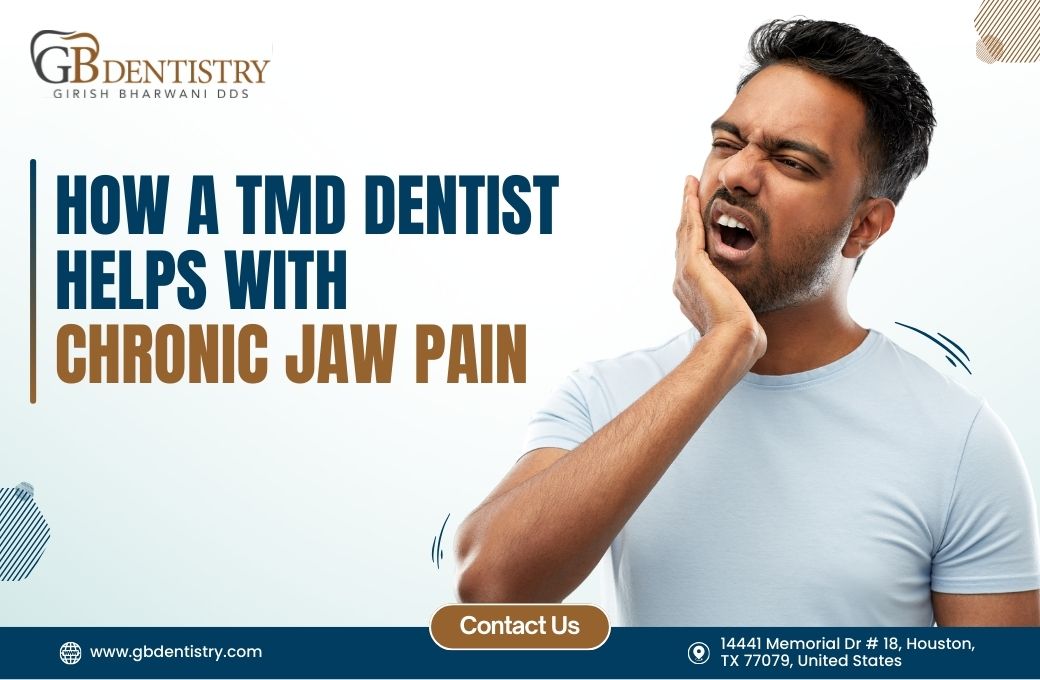
Living with persistent jaw pain can feel like an unending challenge, impacting everyday activities such as eating, speaking, or even smiling comfortably. This discomfort often arises from issues linked to the temporomandibular joint (TMJ), and many in Memorial and nearby areas find that understanding what a TMD dentist does is an essential step toward genuine relief.
At GB Dentistry, Dr. Girish Bharwani brings specialized knowledge and compassionate care to those suffering from temporomandibular disorders. His approach is not just about addressing symptoms but uncovering and treating the underlying causes of jaw pain, offering a comprehensive path toward lasting TMD relief.
Chronic jaw discomfort can stem from several sources including habitual jaw clenching, teeth grinding, or more complex joint problems. When left untreated, these conditions can escalate, leading to clenching teeth pain and further complications that disrupt quality of life. The dentists at GB Dentistry focus on a detailed diagnosis and personalized treatment plans designed to relieve jaw clenching pain and prevent long-term damage.
Whether you are searching for “TMD near me” in the Memorial area or seeking specialized assistance for bruxism and jaw tension, GB Dentistry provides expert care tailored to your unique needs. This article will delve into how a TMD dentist plays a vital role in managing these conditions effectively, helping patients reclaim comfort and reduce chronic pain.
The temporomandibular joint, or TMJ, acts as a crucial hinge connecting your jawbone to your skull, allowing you to open and close your mouth smoothly. When this joint or the muscles surrounding it experience dysfunction, it leads to a condition known as temporomandibular disorder (TMD). A TMD dentist specializes in evaluating these issues, as the disorder can impair jaw movement and cause persistent discomfort that extends beyond the joint itself.
People with TMD often report a range of symptoms that disrupt daily life, which a skilled TMD dentist is trained to identify. Jaw pain or tenderness is common, sometimes accompanied by aching around the ears, face, or neck. Headaches that feel like tension or migraines can also occur, often confusing matters for those unaware of the connection to jaw health.
Additionally, TMD may limit your ability to fully open or close your mouth, sometimes causing a noticeable clicking, popping, or locking sensation during movement. These symptoms can significantly affect routine activities like eating and speaking, emphasizing the need for expert evaluation and management.
Bruxism, a condition characterized by involuntary teeth clenching and grinding, frequently coexists with TMD and can intensify jaw discomfort. A TMD dentist often sees how this repetitive strain places immense pressure on the TMJ and surrounding muscles, accelerating irritation and wear. Over time, bruxism may contribute to the development or worsening of temporomandibular disorders.
The triggers for bruxism are multifaceted, and a TMD dentist evaluates these contributing factors carefully. Stress is a major contributor, often provoking unconscious jaw clenching during waking hours or grinding during sleep. Misaligned teeth or bite irregularities create uneven contact points that fatigue muscles and stress the joint.
Sleep disorders such as obstructive sleep apnea also increase the likelihood of TMJ and bruxism episodes through interrupted breathing patterns. Understanding these causes allows the dentists at GB Dentistry to tailor TMD relief strategies that address both the symptoms and underlying factors effectively.
Identifying jaw clenching early is key to preventing chronic pain and long-term damage, which is why a TMD dentist emphasizes early evaluation. Physical signs include worn tooth surfaces, increased tooth sensitivity, and jaw muscle tightness. You may notice soreness or stiffness in the jaw, neck, or shoulders upon waking, often accompanied by headaches. Behaviorally, frequent unconscious clenching or grinding, especially during times of stress or intense concentration, is a clear indicator.
Left unmanaged, these habits exacerbate clenching teeth pain and may cause muscle fatigue, inflammation, and even joint damage. Persistent tension can trigger secondary issues like ear ringing or dizziness.
The professional team at GB Dentistry understands these warning signs and offers compassionate care focused on jaw clenching relief. Through early intervention, patients in Memorial and nearby communities can reduce painful symptoms and protect their oral health before complications develop further.

A TMD dentist differs from general dentists by focusing specifically on conditions affecting the temporomandibular joint and related muscles. Rather than addressing routine dental care exclusively, a TMD dentist combines specialized knowledge of jaw anatomy, neuromuscular function, and pain patterns to diagnose and treat complex jaw disorders.
This specialized expertise is essential because temporomandibular disorders often mimic other health issues, requiring precise evaluation to determine the exact source of discomfort.
Dr. Girish Bharwani at GB Dentistry exemplifies this expertise. With extensive training in temporomandibular disorders, Dr. Bharwani employs a comprehensive approach to uncovering the root causes of chronic jaw pain. This depth of skill allows for tailored treatments that go beyond symptom management, aiming instead for long-term recovery and improved joint function. Patients benefit from this focused care, especially when conventional treatments have fallen short.
Diagnosing TMD isn’t a one-size-fits-all process; it demands thorough evaluation by a TMD dentist. At GB Dentistry, the diagnostic journey begins with an in-depth clinical examination, where the dentists assess jaw movement, listen for joint sounds like clicking or popping, and evaluate muscle tenderness. This hands-on assessment provides critical insight into functional limitations and pain triggers.
Advanced imaging techniques are integral to confirming diagnoses. Panoramic X-rays and CBCT scans offer detailed views of the jaw joint’s structure, revealing potential joint degeneration, misalignment, or abnormalities that might contribute to symptoms. Through these comprehensive evaluations, the dentists at GB Dentistry can pinpoint exact dysfunctions, enabling precise treatment plans for effective TMD relief.
Each patient’s experience with chronic jaw pain is unique, so treatment plans created by a TMD dentist at GB Dentistry are carefully customized. Non-invasive approaches often serve as the first line of defense, including oral appliances such as nightguards that protect teeth from grinding and encourage proper jaw alignment. Physical therapy techniques, like targeted exercises and muscle relaxation methods, support improved joint mobility and reduce muscle tension.
Lifestyle modifications also play a significant role. Guidance on stress management, dietary adjustments to avoid excessive jaw strain, and ergonomic advice can minimize aggravating behaviors. In some cases, when conservative treatments do not provide sufficient relief, advanced interventions like corticosteroid injections or referral to specialized care may be necessary to restore function and comfort.
Jaw clenching relief at GB Dentistry centers on preventing further damage while alleviating muscular strain under the guidance of a TMD dentist. Custom-fitted bite guards and splints serve as protective barriers against the damaging forces of clenching and grinding. These devices not only shield teeth from wear but also help redistribute pressure evenly across the jaw, easing joint stress.
In addition to oral appliances, relaxation techniques are integral in addressing the muscle tension associated with bruxism. The dentists at GB Dentistry educate patients on mindful jaw positioning, guided muscle relaxation exercises, and effective stress reduction methods. Through these combined treatments, clenching teeth pain relief becomes achievable, supporting overall oral health and enhancing patient comfort in Memorial and nearby communities.
When seeking TMD relief, choosing a local specialist familiar with the unique needs of Memorial and nearby communities can make a significant difference. A TMD dentist practicing within the area understands common lifestyle factors, stressors, and environmental influences that may contribute to temporomandibular disorders locally. This insight allows for personalized care that resonates with the patient’s daily reality, enhancing treatment effectiveness.
Moreover, access to ongoing care is crucial with TMD and bruxism, as these conditions often require regular evaluation and adjustments. By selecting a nearby expert, patients benefit from convenient appointments and timely intervention when symptoms fluctuate. GB Dentistry situates itself as a trusted resource in Memorial, ensuring that individuals have access to specialized treatment and dedicated follow-up without leaving their community.
The initial consultation at GB Dentistry begins with a comprehensive discussion focused on your symptoms, medical history, and any prior treatments, led by a TMD dentist experienced in jaw disorders. This conversation helps Dr. Bharwani and his team develop a clear understanding of your unique situation. Following this, a thorough clinical examination evaluates jaw function, muscle tenderness, and joint sounds while assessing any visible wear on teeth from clenching or grinding.
Patient education is a cornerstone of the first visit. Dr. Bharwani explains the diagnosis in clear, accessible terms and outlines the implications of TMD and bruxism on oral and overall health. From there, personalized goals are established collaboratively, addressing immediate pain relief and long-term functional improvement. This transparent and supportive environment empowers patients to take an active role in their treatment journey.
TMD management is an evolving process, and a TMD dentist at GB Dentistry is committed to providing continuous support to ensure lasting relief. After initiating treatment, the dentists at GB Dentistry schedule follow-up visits to monitor progress, assess the effectiveness of appliances like bite guards, and adjust therapy as needed. This proactive approach helps prevent symptom recurrence and addresses any emerging issues promptly.
At GB Dentistry, patient communication is key. The care team encourages open dialogue to discuss any changes in symptoms or concerns. This partnership fosters tailored modifications in treatment plans, ensuring that interventions remain aligned with each patient’s evolving needs. For residents searching for “TMD near me” in Memorial and surrounding areas, GB Dentistry combines specialized expertise with attentive, ongoing care to turn chronic jaw pain into a manageable condition.
Read Also: Jaw Pain or Headaches? Here’s What a TMJ Consultation Can Reveal
Managing temporomandibular disorders effectively often involves integrating mindful habits into daily life, something a TMD dentist routinely encourages. Stress is a common trigger for bruxism jaw pain, so adopting stress management techniques can be a powerful tool in reducing muscle tension. Practices such as deep breathing exercises, meditation, or even short periods of relaxation throughout the day help calm the nervous system and lessen involuntary jaw tightness.
Being mindful of how you use your jaw can also prevent worsening symptoms. For example, consciously avoiding habits like chewing gum or biting nails reduces unnecessary strain. Incorporating gentle jaw stretching exercises, recommended by the dentists at GB Dentistry, helps maintain flexibility and relieve tightness in the surrounding muscles. Simple movements—like slowly opening and closing the mouth or moving the jaw side to side—performed regularly can improve joint mobility and promote relaxation.
What you eat plays a meaningful role in supporting jaw health, and guidance from a TMD dentist can help reduce flare-ups. During periods of discomfort or flare-ups, choosing softer foods such as mashed potatoes, yogurt, or cooked vegetables minimizes jaw exertion. It’s important to avoid foods that require wide opening of the mouth or intensive chewing, such as tough meats, raw vegetables, or chewy snacks, which can aggravate TMD symptoms.
Additionally, reducing the intake of caffeine and alcohol can contribute to TMD relief. Both substances may heighten muscle tension and disrupt sleep patterns, potentially increasing episodes of bruxism and clenching teeth pain. Drinking plenty of water and maintaining balanced nutrition support overall muscle and joint health, complementing the treatments provided by a TMD dentist.
While lifestyle modifications are valuable, there are times when professional intervention from a TMD dentist is necessary to prevent lasting damage. Warning signs that call for prompt dental evaluation include persistent or increasing jaw pain, noticeable changes in bite or jaw alignment, frequent headaches originating near the temples, or difficulty opening the mouth fully. Additionally, if you observe unusual wear on your teeth or experience ear pain or ringing, it’s important not to delay care.
The dentists at GB Dentistry encourage patients to maintain open communication, especially if symptoms intensify or new concerns arise. Early engagement with Dr. Bharwani ensures that treatment plans remain responsive and that clenching teeth pain relief is optimized. For those in Memorial searching for “TMD near me,” timely professional care paired with diligent at-home practices offers the best chance for effective, lasting relief.
At GB Dentistry, addressing chronic jaw pain goes far beyond simply managing symptoms—it is about restoring a better quality of life. As a dedicated TMD dentist serving Memorial and its surrounding communities, I recognize how deeply jaw discomfort and conditions like bruxism can affect both physical well-being and daily activities. Each case is unique, and that’s why our approach centers on personalized, compassionate care that reflects the specific needs and circumstances of every patient.
When you choose GB Dentistry for TMD relief, you’re partnering with a TMD dentist and care team committed to uncovering the root causes of your pain and working collaboratively toward lasting solutions. Jaw clenching relief and clenching teeth pain relief are achievable goals through treatments that combine expert diagnosis, innovative techniques, and supportive lifestyle guidance.
If you are experiencing persistent jaw discomfort or suspect you have bruxism, I encourage you to reach out. Together, we’ll explore the most effective pathway to renewed comfort and improved function, helping you regain confidence and enjoy life without the burden of chronic jaw pain.
A TMD dentist specializes in diagnosing and treating disorders related to the temporomandibular joint and muscles controlling jaw movement, unlike general dentists who primarily focus on routine dental care. At GB Dentistry in Memorial, Dr. Bharwani offers expertise in identifying complex jaw conditions that may be missed elsewhere. This specialization allows for targeted therapies tailored to conditions like TMD and bruxism, providing more effective and lasting relief for chronic jaw pain.
Jaw pain might arise from multiple causes, but signs pointing to TMD or bruxism include persistent jaw discomfort, clicking or popping sounds, headaches, and muscle tenderness. Bruxism often involves unconscious teeth grinding or clenching, especially during sleep. Consulting a TMD dentist like Dr. Bharwani at GB Dentistry in Memorial allows for a thorough assessment using clinical exams and imaging to accurately identify the cause and recommend precise treatment tailored to your condition.
Chronic jaw pain treatments vary depending on the severity and cause but typically include oral appliances such as bite guards, physical therapy exercises, medication for muscle relaxation, and lifestyle changes. At GB Dentistry, Dr. Bharwani develops customized plans for patients in Memorial and nearby areas, incorporating these therapies to relieve symptoms and address underlying issues. In some cases, advanced interventions may be recommended to restore proper jaw function and reduce pain effectively.
Yes, several home remedies can complement professional treatment for jaw clenching. Stress management techniques like meditation, avoiding chewing gum, practicing gentle jaw stretches, and applying warm compresses can reduce muscle tension. However, these should be used alongside care from a TMD dentist. At GB Dentistry, patients in Memorial receive guidance on integrating these practices safely to maximize jaw clenching relief while ensuring comprehensive professional support for lasting results.
The timeline for TMD relief varies depending on the condition’s complexity and the treatment approach. Many patients begin to notice improvement within weeks of starting oral appliances or physical therapy prescribed by a TMD dentist. At GB Dentistry in Memorial, Dr. Bharwani closely monitors progress and adjusts treatment plans for each patient to optimize recovery. Early diagnosis and consistent care generally lead to faster and more sustainable TMD relief.
Absolutely. Stress is a significant factor that can trigger or exacerbate TMD symptoms by increasing jaw clenching and muscle tension. Persistent stress disrupts normal muscle function around the TMJ, leading to pain and discomfort. Recognizing this connection, the dentists at GB Dentistry in Memorial incorporate stress reduction strategies within treatment plans, helping patients manage both physical and emotional contributors to their jaw disorders for comprehensive relief.
Choosing a TMD dentist in Memorial, such as Dr. Bharwani at GB Dentistry, ensures specialized care focused solely on jaw joint disorders and related conditions. General dentists may lack the expertise or diagnostic tools to detect subtle issues contributing to chronic jaw pain. With localized knowledge of community health trends and access to advanced diagnostic techniques, GB Dentistry provides precise treatments designed to resolve TMD and bruxism effectively, improving patient outcomes.
Ignoring TMD or clenching teeth pain can lead to worsening symptoms such as increased jaw joint damage, chronic muscle fatigue, and accelerated tooth wear. Left untreated, these conditions may cause persistent headaches, difficulty chewing, and even permanent joint dysfunction. At GB Dentistry in Memorial, Dr. Bharwani emphasizes early intervention to prevent complications. Seeking timely care ensures efficient TMD relief and protects long-term oral and overall health.