Root Canal vs Extraction: Which Is Better for Your Tooth?
Root canal vs extraction explained by GB Dentistry. Learn about infection, recovery, retreatment, driving, and choosing care in Memorial, Texas, with clarity.
Dental composite bonding is often the first treatment people consider when they want a noticeable smile improvement without moving straight into more involved cosmetic work.
If you have small chips, uneven edges, minor gaps, or a tooth that looks out of place, composite bonding can be a practical way to refine what you already have.
At GB Dentistry, we help patients in Memorial, Texas understand where dental composite bonding fits, what it can and cannot do, and how to decide whether it makes sense for their goals.
In this article, you will learn how the treatment works, what it is commonly used for, what affects candidacy, and what to discuss with Dr. Bharwani before making a decision.
Dental composite bonding is one of the more versatile cosmetic options because it can address small but frustrating issues that affect how your smile looks in photos, conversations, and daily life.
Rather than changing the whole tooth structure, the dentists at GB Dentistry can place tooth-colored composite material where it is needed to improve shape, blend color, or close a small space.
Composite bonding is commonly used to refine issues that are noticeable but not severe. It is often considered for:
Many patients like dental composite bonding because it can be a measured first step. It may be appropriate when you want a visible cosmetic change but are not ready to commit to more extensive treatment.
In practical terms, it can help you improve the appearance of one tooth or several teeth while keeping the process relatively conservative.
Bonding is not a substitute for every cosmetic or restorative need. If a tooth has tooth decay in Memorial, a large fracture, or alignment concerns that affect your bite, Dr. Bharwani may recommend a different treatment, such as a filling, crown, or orthodontic solution, for the most durable long-term result.
That is why an evaluation matters: the same visible concern can have very different treatment paths depending on the tooth’s structure and your long-term goals. Dental composite bonding works best when the tooth is healthy enough to support a conservative change.
Tell us about your smile goals, and let’s find the care that fits you.
Understanding the steps ahead of time helps many patients feel more comfortable. Composite resin bonding is usually straightforward, but the exact sequence depends on the number of teeth involved, the area being treated, and how much shaping is needed.
Dental composite bonding is often easier to understand when the steps are explained before treatment begins.
In many cases, the process begins with an exam and a discussion of your goals. Dr. Bharwani or the dentists at GB Dentistry then evaluate the tooth color, shape, spacing, and bite before selecting a resin shade that blends with the surrounding teeth.
The tooth surface is prepared, the composite material is placed in layers, and the shape is refined until it looks natural in the smile.
After the material is set, the surface is smoothed and polished so it blends with nearby teeth. The goal is not to make the tooth look artificially perfect, but to make the change feel balanced and appropriate for your face and smile line.
The time required can vary depending on how many teeth are treated and how detailed the shaping must be. A single minor repair may be completed more quickly than multiple cosmetic refinements.
Because every smile is different, it is better to ask about your specific plan rather than assume one standard timeline applies.
A natural result depends on proportion, contour, and shade matching. If the material is too opaque, too bulky, or shaped without attention to the neighboring teeth, the tooth may stand out in the wrong way. For patients considering teeth whitening in Memorial, shade selection is especially important. Good composite bonding should complement the smile rather than draw attention to itself.
With dental composite bonding, the details of shape and polish make a noticeable difference.

This is the question most people really want answered: will bonding actually solve the concern that bothers you most? The answer depends on the size of the problem, the tooth involved, and how you want the result to function over time.
Dental bonding for gaps or chips often makes sense when the concern is relatively small and the surrounding teeth are healthy.
It can be a useful option if you want to improve a front tooth that feels too short, smooth a visible chip, or close a minor open space that changes how your smile looks.
Bonding is not always the best choice if the tooth is heavily worn, structurally compromised, or affected by a bite issue that keeps stressing the same area. In those cases, veneers, orthodontic treatment, or a restorative approach may deserve more attention.
The dentists at GB Dentistry can help you compare options instead of pushing you toward a one-size-fits-all solution. Dental composite bonding may not solve every concern, but it can be useful when the case is appropriate.
Before moving forward, it helps to think through a few practical points:
These questions can clarify whether composite bonding teeth is the right starting point or whether another treatment would better support your goals.
Composite bonding can be very useful, but patients make better decisions when they understand its practical limits. That helps set realistic expectations and prevents disappointment later. Dental composite bonding decisions are easier when you understand both maintenance and limits.
The longevity of bonding varies based on location in the mouth, bite forces, oral habits, and how well the material is maintained. Front teeth that are not subjected to heavy stress may perform differently from teeth that experience more wear.
Rather than focusing on a fixed promise, it is smarter to think about bonding as a treatment that needs good maintenance and periodic evaluation.
Composite material can stain, chip, or need touch-ups, especially if the tooth is exposed to frequent biting stress or staining habits. Grinding, nail biting, chewing hard objects, and using teeth as tools can all shorten the life of the restoration.
Daily care usually looks similar to caring for the rest of your teeth. Good brushing, flossing, and regular dental visits matter because the surrounding gumline and enamel still need attention. If Dr.
Bharwani notices rough edges, staining, or early wear, small refinements may help protect the appearance and function of the bonded tooth.
Many patients appreciate bonding because it is adaptable. If the shape needs a minor adjustment later, that can sometimes be addressed without replacing an entire restoration. That flexibility is one reason cosmetic dental bonding near you remains a practical option for many smile concerns.
Read Also: Why Choose Cosmetic Bonding Near Me for Smile Repair
For many people looking for dental bonding in Memorial Houston, convenience matters just as much as the treatment itself.
If you are balancing work, family, and a full schedule, it helps to choose a practice that can explain the process clearly and help you decide whether bonding is the right next step.
A local consultation gives you the chance to see whether the concern is best solved with bonding, whitening, a different cosmetic treatment, or a restorative repair. If you are wondering why choose teeth bonding near me, a consultation can help you understand the benefits, expected results, and whether bonding is the right option for your smile. That conversation is especially helpful if you have been putting off a small flaw for a while and want guidance before it gets worse.
A consultation can show whether dental composite bonding is the right first step.
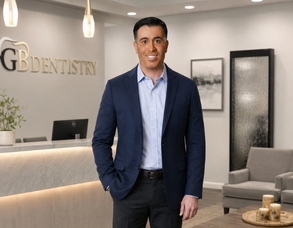
Let’s talk about your concerns and create a care plan that fits you.
A careful evaluation should look beyond appearance alone. The dentists at GB Dentistry consider the tooth’s condition, whether the area is stable, how the smile lines up, and whether the proposed treatment fits your longer-term goals.
That is how you avoid spending time and money on a quick fix that does not age well.
If you are evaluating cosmetic dental bonding near you, ask how the treatment would look on your specific tooth, what maintenance may be involved, and whether another option might be more appropriate for the way you bite and smile.
The right decision is usually the one that balances appearance, comfort, and long-term sense for your situation.
Dental composite bonding can be a smart option when you want a conservative way to improve the look of your smile, but the best results come from choosing the right case for the right reason.
In my experience, patients feel most confident when they understand both the strengths and the limitations before they begin.
If you are considering dental composite bonding, I encourage you to look at the tooth closely, think about your daily habits, and talk through your goals with the dentists at GB Dentistry.
A careful evaluation can help you decide whether bonding is the right fit or whether another approach would serve you better.


Dental composite bonding uses tooth-colored resin to improve a tooth’s shape, edges, or small gaps. It is a conservative cosmetic option that can blend with nearby teeth when the case is suitable.
Composite bonding teeth can often improve small chips, uneven edges, minor gaps, and slight discoloration. It works best for limited cosmetic concerns rather than major structural damage or bite problems.
Dental bonding for gaps can be a good option when the space is small and the surrounding teeth are healthy. The dentists at GB Dentistry can help you compare bonding with other treatments if the gap is wider or related to bite alignment.
Dental bonding can last for years, but wear depends on bite forces, habits, and care. It may need polishing or touch-ups over time, especially on teeth exposed to more stress or staining.
It can look very natural when the shade and shape are matched carefully. The result depends on the tooth, the surrounding smile, and how precisely the material is contoured and polished.
The cost of cosmetic dental bonding near you varies based on how many teeth are treated, how much shaping is needed, and whether any restorative work is involved. GB Dentistry can review your options after an exam. At GB Dentistry, dental composite bonding costs are reviewed after the tooth and goals are evaluated.
Dental bonding in Memorial Houston is often worth discussing for small front-tooth chips, especially when the tooth is otherwise healthy. A consultation helps confirm whether bonding is stable enough for that specific tooth.
The better choice depends on the size of the problem, the tooth’s condition, and your long-term goals. Dr. Bharwani can compare dental composite bonding with other options so you can choose with more confidence.