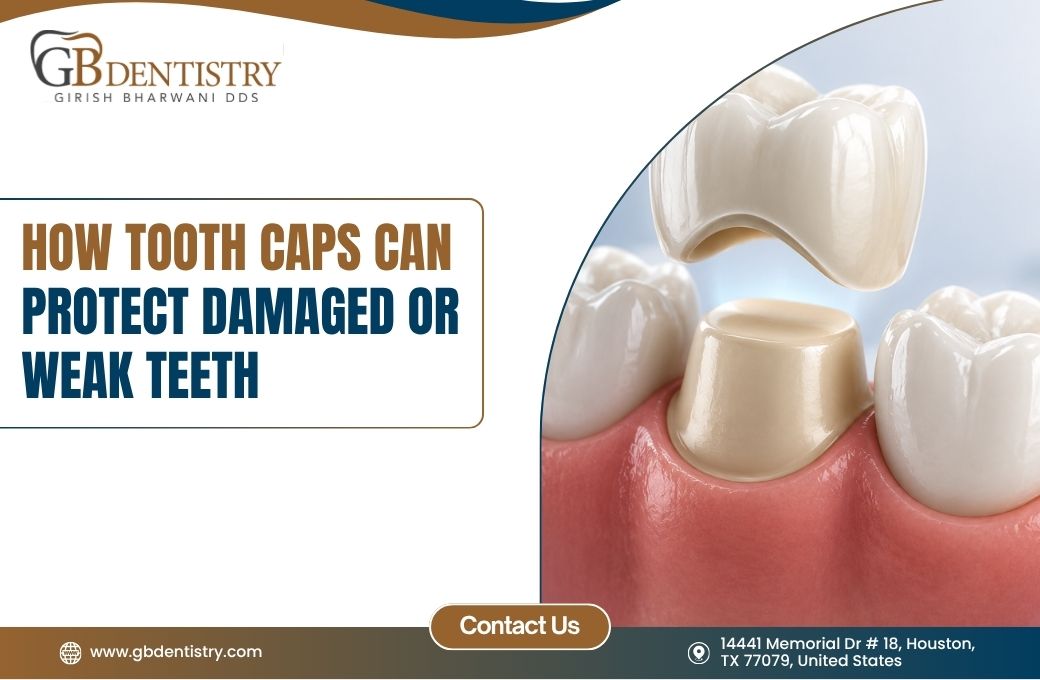
How Tooth Caps Can Protect Damaged or Weak Teeth
Learn how tooth caps protect weak teeth, compare ceramic, gold, silver, and metal options, and plan a crown consultation with GB Dentistry in Memorial, Texas.
Bruxism treatments can help protect your teeth and ease jaw strain when nighttime or daytime grinding has become difficult to control.
If you wake with headaches, notice worn or chipped teeth, or catch yourself clenching during stressful moments, the right next step is usually an evaluation rather than simply buying the first mouth guard for teeth grinding you see.
At GB Dentistry, patients in Memorial and nearby communities can discuss the likely causes, signs of damage, and treatment choices with Dr. Bharwani or the dentists at GB Dentistry.
This guide explains how bruxism is evaluated, when an oral appliance may help, what treatment can and cannot do, and how to choose a practical next step.
Teeth grinding, also called bruxism, involves clenching, gnashing, or pressing the teeth together. It may happen during sleep, while concentrating, or during periods of stress.
Some people notice the habit, while others learn about it after a partner hears grinding or Dr. Bharwani identifies signs during an examination.
Bruxism treatments are not selected only because grinding is present. The goal is to understand how force is affecting the teeth, jaw muscles, jaw joints, sleep, and daily comfort.
A treatment that makes sense for mild clenching may not be appropriate when a tooth is cracked, a filling is failing, or jaw-joint symptoms are also present.
Repeated pressure can leave several clues. The signs do not prove bruxism by themselves, but they are reasons to schedule an evaluation with Dr. Bharwani or the dentists at GB Dentistry:
The pattern matters. For example, sensitivity that occurs when cold drinks touch several worn teeth may point to enamel loss or exposed dentin, while sharp pain when biting on one tooth may require attention to a specific crack or restoration.
Treating the grinding habit alone may not address that separate problem. A careful evaluation keeps bruxism treatments focused on the problem rather than the label.
Enamel does not grow back after it has been worn away. A bruxism night guard can help reduce contact between the upper and lower teeth, protect teeth from further wear, and may help relieve pressure caused by nighttime grinding and clenching. However, it does not rebuild lost enamel or automatically correct an unstable bite.
Delaying an evaluation can allow a small chip, worn edge, or irritated muscle to become more difficult to manage.
The opposite mistake is also possible: assuming every headache or jaw ache comes from bruxism.
Sinus symptoms, dental infection, joint conditions, medication effects, sleep-related issues, and other health concerns can produce similar discomfort. A careful examination helps keep the treatment focused instead of relying on a guess.
Tell us about your smile goals, and let’s find the care that fits you.
The answer depends on the type and severity of grinding, whether damage is already present, and what happens when you clench or move your jaw. Bruxism treatments are often most useful when they are part of an individualized plan rather than a stand-alone product purchase.
Dr. Bharwani may consider your symptoms, dental history, existing restorations, jaw movement, muscle tenderness, tooth wear, and any habits that increase clenching.
If you report loud nighttime grinding, disrupted sleep, or symptoms that suggest a sleep-related concern, that information should be included in the discussion. Dental treatment may help protect the teeth, but it may not resolve every factor contributing to sleep-related bruxism.
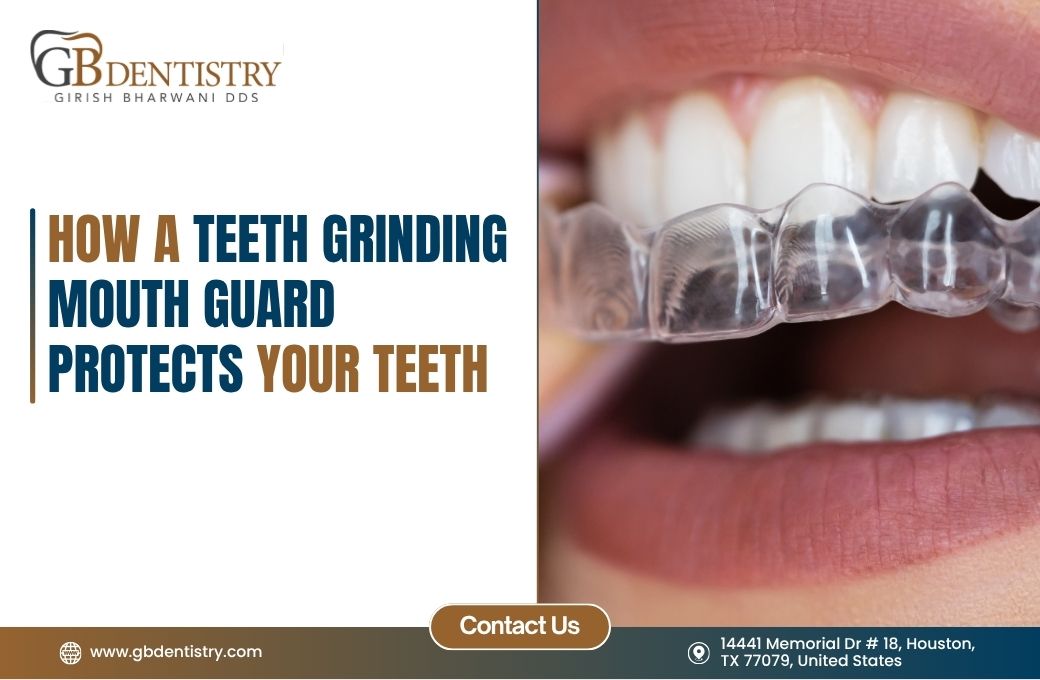
A professionally evaluated mouth guard for teeth grinding may be considered when the teeth need protection from repeated contact or when clenching appears to be contributing to muscle strain. The appliance must be designed for your mouth and checked for fit.
An appliance that feels comfortable at first can still need adjustment if it creates pressure, changes how the teeth meet, or aggravates jaw symptoms. The most useful bruxism treatments are individualized rather than one-size-fits-all.
Store-bought guards can be useful for some people as a temporary measure, but they vary in material, thickness, retention, and coverage. A loose guard may be difficult to keep in place. A bulky guard may interfere with sleep.
An improperly fitting appliance may also make symptoms harder to interpret. These limitations do not mean every over-the-counter product is harmful; they mean it should not be treated as interchangeable with a clinically evaluated appliance.
Good bruxism treatments also account for tooth wear, jaw comfort, and existing dental work.
Grinding can expose weaknesses that need separate treatment. A chipped tooth may require repair, a damaged restoration may need replacement, and advanced wear may affect the way the teeth meet.
If tooth sensitivity is significant, the plan may include identifying the source and protecting the affected area rather than relying only on a night guard.
Some people also ask about injections, medication, orthodontic treatment, or restorative procedures. These options are not appropriate for everyone, and each has different goals and risks.
The dentists at GB Dentistry can explain which choices relate to tooth protection, which relate to symptom management, and which would address a separate bite or dental problem. Good bruxism treatments also account for tooth wear, jaw comfort, and existing dental work.
Contact GB Dentistry for an evaluation if grinding is accompanied by a cracked or broken tooth, swelling, severe or persistent pain, trouble opening the mouth, or a sudden change in the way the teeth fit together.
If facial swelling affects breathing or swallowing, seek emergency dentistry in memorial.
Prompt attention does not necessarily mean extensive treatment. It gives Dr. Bharwani a chance to determine whether the concern is urgent, whether a tooth needs protection, and whether the grinding symptoms are part of a broader issue.
The most useful bruxism treatments are individualized rather than one-size-fits-all.

A useful treatment plan begins with information that can be checked. The dentists at GB Dentistry will want to understand what you feel, what you have noticed, and what the mouth shows.
You can make the visit more productive by noting when symptoms occur, whether they are worse in the morning, and whether anyone has heard grinding during sleep.
The evaluation may involve reviewing your medical and dental history, examining tooth surfaces and restorations, assessing the jaw muscles, and observing how the jaw opens and closes.
Dr. Bharwani may also ask about stress, concentration habits, sleep quality, caffeine or alcohol use, medications, and previous appliances. Dr. Bharwani can recommend bruxism treatments that fit your actual dental and jaw risks.
These questions are not meant to assign blame. Bruxism is often influenced by more than one factor, and identifying patterns can help determine which changes are realistic.
A person who clenches while working at a computer may need daytime awareness strategies, while someone who grinds during sleep may need a different protective approach. Appropriate bruxism treatments depend on what your examination and symptoms show.
The plan usually becomes clearer after separating three related but different goals:
One option may support one goal without solving the others. For instance, an oral appliance can create a barrier between the teeth, but it cannot guarantee that the jaw muscles will stop contracting.
Likewise, stress-management techniques may reduce daytime clenching for some people but may not protect teeth during sleep. A careful evaluation keeps bruxism treatments focused on the problem rather than the label.
A new appliance or behavior change should be monitored. Pay attention to worsening pain, new pressure points, gum irritation, changes in your bite, or difficulty keeping the appliance in place.
Do not continue using an appliance that causes significant discomfort without contacting GB Dentistry for guidance. Over time, bruxism treatments may need adjustment as symptoms or dental conditions change.
Follow-up also helps determine whether the plan is doing what it was intended to do. Dr. Bharwani may assess fit, inspect areas of wear, and review whether symptoms have changed.
Adjustments can be important because the mouth, restorations, and grinding pattern may change over time. Effective bruxism treatments should match the pattern and cause of your grinding.
If you have already tried a mouth guard and stopped wearing it, bring that experience to the appointment. The problem may involve fit, bulk, material, retention, expectations, or a symptom that requires a different approach.
Knowing what did not work is useful clinical information. Some bruxism treatments combine protection, habit changes, symptom management, and other care.
Let’s talk about your concerns and create a care plan that fits you.
A mouth guard is not simply a piece of plastic placed between the teeth. Its design, fit, thickness, coverage, material, and intended use all affect whether it is practical for you.
The right choice depends on your bite, restorations, symptoms, and the pattern of grinding—not just on whether the product is labeled for bruxism. Effective bruxism treatments should match the pattern and cause of your grinding.
Over-the-counter guards are widely available and may be less expensive at the time of purchase. However, they generally offer fewer opportunities for individualized fitting and follow-up.
Boil-and-bite products can vary in how well they retain their shape, while ready-made products may feel bulky or shift during sleep. Appropriate bruxism treatments depend on what your examination and symptoms show.
A professionally evaluated appliance is selected and checked in relation to your mouth. That does not make it a guaranteed solution, and it may not be appropriate for every jaw condition.
Its practical advantage is that Dr. Bharwani or the dentists at GB Dentistry can assess how it fits and whether it is interacting with your teeth or jaw in an unfavorable way. Some bruxism treatments combine protection, habit changes, symptom management, and other care.
Before choosing a mouth guard for teeth grinding, ask what the appliance is intended to do, how it should be cleaned, when it should be replaced, and what symptoms should prompt a follow-up.
Also ask whether your existing fillings, crowns, bridges, implants, loose teeth, or gum concerns affect the choice. Effective bruxism treatments should match the pattern and cause of your grinding.
Avoid trimming or reshaping an appliance unless the manufacturer or a dental professional specifically directs you to do so. Changes can affect retention and contact between the teeth.
Clean the guard as instructed, allow it to dry, and store it where pets and heat cannot damage it. The most useful bruxism treatments are individualized rather than one-size-fits-all.
An appliance that causes persistent soreness, gum irritation, pressure on one tooth, or a noticeable bite change should be reviewed.
Discomfort is not always a sign that the appliance is “working.” It may indicate that the design or fit needs attention, or that another condition is contributing to the symptoms. Dr. Bharwani can recommend bruxism treatments that fit your actual dental and jaw risks.
At GB Dentistry, bringing an existing appliance to an appointment can help the team evaluate its condition and fit.
Be prepared to describe how long you have worn it, whether symptoms began after using it, and whether you wear it only at night or also during the day.
Many people search for how to stop grinding teeth because they want one action that will end the habit. In practice, the most useful approach is usually a combination of tooth protection, awareness, and evaluation of contributing factors.
The goal is not to force the jaw into an uncomfortable position or promise that every episode of bruxism can be prevented.
During the day, check whether your teeth are touching when you are not eating, speaking, or swallowing. A relaxed jaw typically allows the teeth to remain slightly apart, with the lips together and the tongue resting comfortably.
Short reminders on a phone or computer can help you notice clenching before the muscles become fatigued. Over time, bruxism treatments may need adjustment as symptoms or dental conditions change.
Consider whether long periods of concentration, driving, exercise, or emotional stress trigger the habit. Avoid chewing gum for extended periods if it increases jaw fatigue.
If you regularly use caffeine, alcohol, nicotine, or medications that seem to coincide with worsening symptoms, discuss the pattern with an appropriate health professional rather than making medication changes on your own.
Sleep routines may support overall sleep quality, although they are not a guaranteed cure for nighttime bruxism. Keep a consistent sleep schedule when possible, create a wind-down period, and address factors that repeatedly interrupt sleep.
Tell Dr. Bharwani if you snore loudly, wake gasping, feel unusually sleepy during the day, or have been told that your breathing changes during sleep.
Those symptoms can warrant discussion with a medical provider about sleep-related concerns. A mouth guard may protect the teeth while another professional evaluates the underlying issue. Treating tooth contact and evaluating sleep are related but not identical steps.
Bruxism treatments are designed to manage risk and symptoms, not to promise that grinding will never happen again.
Some people notice less morning soreness; others mainly benefit from protecting teeth and restorations. Results can vary based on the cause, consistency of use, appliance fit, existing damage, and other health factors.
Do not wait until pain is severe before seeking help. If you are looking for bruxism treatment near me or Bruxism Relief treatment in Memorial, choose an evaluation that allows time to discuss symptoms and options.
The dentists at GB Dentistry can help you determine whether your concern is primarily tooth wear, jaw discomfort, an appliance issue, or something that needs additional evaluation.
Before your appointment, write down when you grind or clench, what symptoms you experience, whether a partner has noticed nighttime grinding, and any appliance you have tried.
Include questions about expected use, cleaning, follow-up, and what to do if the appliance feels uncomfortable. Dr. Bharwani can recommend bruxism treatments that fit your actual dental and jaw risks.
This preparation helps Dr. Bharwani focus on your actual pattern instead of treating a general label. It also gives you a clearer basis for deciding whether to begin with an oral appliance, address a damaged tooth, work on daytime habits, or seek additional evaluation.
Teeth grinding is common, but the right response is not the same for every person.
Bruxism treatments should be chosen after considering the condition of your teeth, the comfort of your jaw, the fit of any appliance, and the habits or health factors that may be contributing to clenching.
I encourage you to seek an evaluation if you notice tooth wear, repeated chips, morning jaw soreness, headaches, sensitivity, or a change in your bite.
At GB Dentistry, we can discuss what your symptoms may mean and help you understand the practical options available in Memorial. If you are considering bruxism treatments, a thoughtful evaluation is a better starting point than guessing which product will work.


Bruxism treatments may protect the teeth and help manage jaw symptoms, but they do not guarantee that grinding will stop completely. Treatment depends on the contributing factors, severity, appliance fit, habits, and overall health.
No. Sports guards are designed mainly to cushion impact, while an appliance for bruxism is selected for repeated tooth contact and clenching. Dr. Bharwani can explain which design fits your dental and jaw needs.
Tooth wear, chips, sensitivity, morning jaw soreness, headaches, or reports of nighttime grinding are reasons to schedule an evaluation. The dentists at GB Dentistry can determine whether treatment or monitoring is appropriate.
Notice when your teeth touch, use brief reminders to relax your jaw, and identify triggers such as concentration or stress. If clenching continues or causes symptoms, discuss an individualized plan with Dr. Bharwani.
An over-the-counter guard may provide temporary separation between the teeth, but fit and comfort vary. A professionally evaluated appliance allows the dentists at GB Dentistry to assess its effect on your bite and symptoms.
The experience varies by treatment and cause. An appliance may protect teeth immediately when properly fitted, while muscle discomfort or behavior changes may require monitoring. Dr. Bharwani can explain what to watch for during follow-up.
Consider an evaluation in Memorial if grinding causes pain, tooth damage, sensitivity, or appliance problems. GB Dentistry can help identify whether you need protection, restorative care, habit guidance, or further evaluation.
Yes, repeated force can contribute to wear, chips, loosening, or breakage of some restorations, although individual risk varies. Regular evaluations help the dentists at GB Dentistry monitor restorations and discuss protective options.